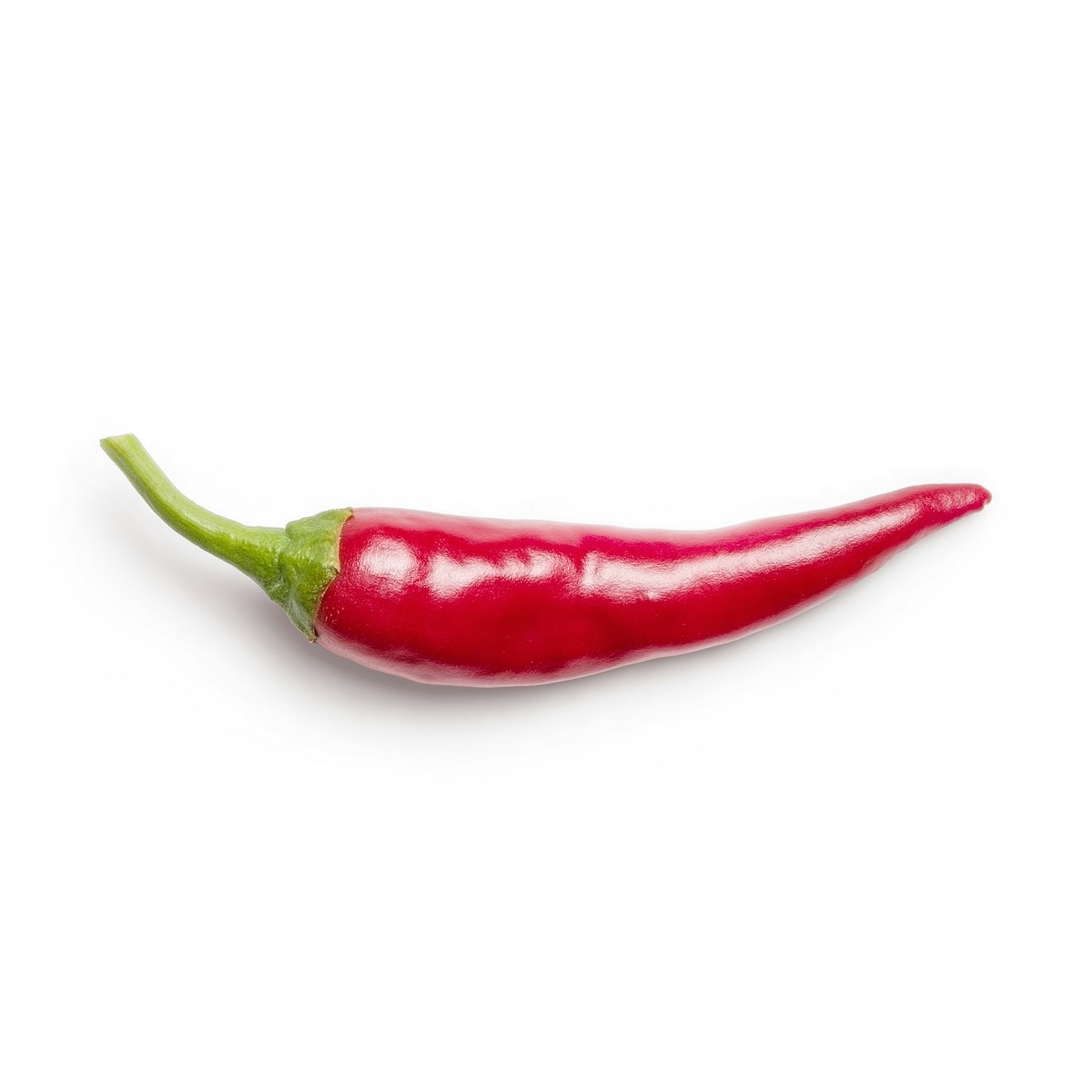
Every hot sauce label seems to brag about its Scoville rating, but very few drinkers and home cooks know what those numbers actually mean. Understanding the Scoville scale changes the way you shop: it helps you predict heat, pair sauces with food, build tolerance over time, and — maybe most importantly — know exactly what you're getting into before the first drop hits your tongue. This guide walks through the science, the tiers, and the practical reading skills you need to navigate any hot sauce shelf with confidence.
What Is the Scoville Scale?
The Scoville scale was invented in 1912 by an American pharmacist named Wilbur Scoville, who was looking for a way to measure the pungency of peppers for medicinal preparations. His original Scoville Organoleptic Test diluted pepper extract in sugar water until a panel of tasters could no longer detect any heat — the number of dilutions required became the Scoville Heat Unit (SHU) rating. A bell pepper registers 0 SHU because it contains no capsaicin, while pure capsaicin crystals clock in at roughly 16,000,000 SHU. Modern labs now rely on high-performance liquid chromatography (HPLC) to measure capsaicinoid concentration directly, which is far more accurate, but the SHU language has stuck.
The Scoville Scale by Tier
It's easier to navigate the scale when you group peppers into broad heat tiers rather than trying to memorize every SHU value. The six tiers below cover essentially every chile you're likely to encounter in a grocery store, a taqueria, or a craft hot sauce shop. Each tier is its own world of flavor, with its own typical uses and its own learning curve.
- 1.Mild · 0–2,500 SHU — Bell peppers, pepperoncini, Anaheim. Flavor without burn; ideal for stuffing, roasting, and everyday cooking.
- 2.Medium · 2,500–30,000 SHU — Jalapeño, serrano, chipotle. A noticeable kick; the working range for most salsas and table sauces.
- 3.Hot · 30,000–100,000 SHU — Cayenne, Tabasco pepper, chile de árbol. Real heat that lingers; the territory of classic American hot sauce.
- 4.Very Hot · 100,000–350,000 SHU — Habanero, scotch bonnet. Fruity, floral, and hot enough to demand respect.
- 5.Extreme · 350,000–2,000,000 SHU — Ghost pepper (Bhut Jolokia), 7 Pot varieties, Trinidad Scorpion. Use sparingly; flavor moments only, never a base.
- 6.Superhot · 2,000,000+ SHU — Carolina Reaper, Pepper X. Beyond practical cooking; mostly competitive and novelty territory.
Where Common Hot Sauces Rank on the Scoville Scale
A hot sauce's Scoville rating is almost always lower than the rating of the raw pepper it's made from, because vinegar, salt, water, and other ingredients dilute the capsaicin concentration. That's why a habanero pepper that measures 200,000 SHU can show up in a finished sauce at 10,000 SHU or less. The list below covers the bottles you're most likely to find on a grocery shelf or a craft sauce wall, with approximate ratings based on the makers' published numbers and independent testing.
- Frank's RedHot — ~450 SHU
- Cholula — ~1,000 SHU
- Sriracha (Huy Fong) — ~1,000–2,200 SHU
- Crystal Hot Sauce — ~1,100 SHU
- Valentina Extra Hot — ~2,100 SHU
- Tapatío — ~3,000 SHU
- Tabasco Original Red — ~2,500–5,000 SHU
- Tabasco Habanero — ~7,000 SHU
- El Yucateco Green Habanero — ~9,000 SHU
- Tabasco Scorpion Sauce — ~50,000 SHU
- Dave's Insanity Sauce — ~180,000 SHU
- Karma Sauce Extreme Karma — ~500,000 SHU
“The Scoville scale is like a speedometer: it tells you how fast you're going, but not what the road ahead looks like.”
Why the Same Scoville Rating Can Feel Different
Two sauces rated at 50,000 SHU can feel like completely different experiences, and the reason is the underlying capsaicinoid profile. Habanero heat tends to build gradually, blooming across the whole mouth before it settles in. Jalapeño heat is more immediate and fades relatively quickly. Ghost pepper is notorious for its delayed onset — you can take a bite, decide it's not so bad, and then feel the burn surge thirty seconds later. The speed, location, and duration of the burn depend on which specific compounds dominate the pepper, not just on the SHU total.
How to Use the Scoville Scale When Shopping
Treat the Scoville rating as a starting point, not an endpoint. The SHU number is essentially a heat ceiling — it tells you how intense things can get, but not how interesting the sauce will be along the way. Use it first to eliminate obvious mismatches (don't put a 500,000 SHU ghost sauce on a delicate piece of fish), then dig into the ingredient list, pepper variety, and process to figure out whether the sauce is worth your shelf space. Some of the most complex, repeat-purchase-worthy sauces in our cellar sit comfortably under 10,000 SHU.
Dairy vs. Water: What Actually Kills the Burn
Reaching for water when your mouth is on fire actually makes things worse — capsaicin is oil-soluble, so water just spreads the molecules around. Dairy works because of casein, a protein that binds to capsaicin and physically strips it from the TRPV1 receptors; a glass of whole milk or a spoonful of yogurt is far more effective than any amount of water. Starchy foods like bread and rice absorb capsaicin mechanically, alcohol partially dissolves it, and a cold ice cube can provide temporary numbing relief. Stack a few of these together for the fastest recovery.
The Scoville scale is an imperfect tool — it ignores flavor, capsaicinoid profile, and how a sauce actually behaves in your mouth — but it remains the most useful single number you have when buying hot sauce. Combine SHU with a little knowledge about pepper varieties, processing styles, and your own personal tolerance, and you become a confident navigator instead of a nervous guesser. From 0 to 16 million Scoville units, how far you choose to explore is entirely up to you.